
BACK PAIN GETTING IN THE WAY?
Back Pain Care in Salisbury
you tell yourself it’s just your age.
Back pain can show up in different ways. from an ache or stiffness that gradually builds to pain that suddenly makes everyday movement or training difficult.
Back Pain Can Feel Different
A dull ache, stiffness, sharp pain or symptoms that come and go. Understanding how your pain behaves helps guide what we look at.
Understand What's Going On
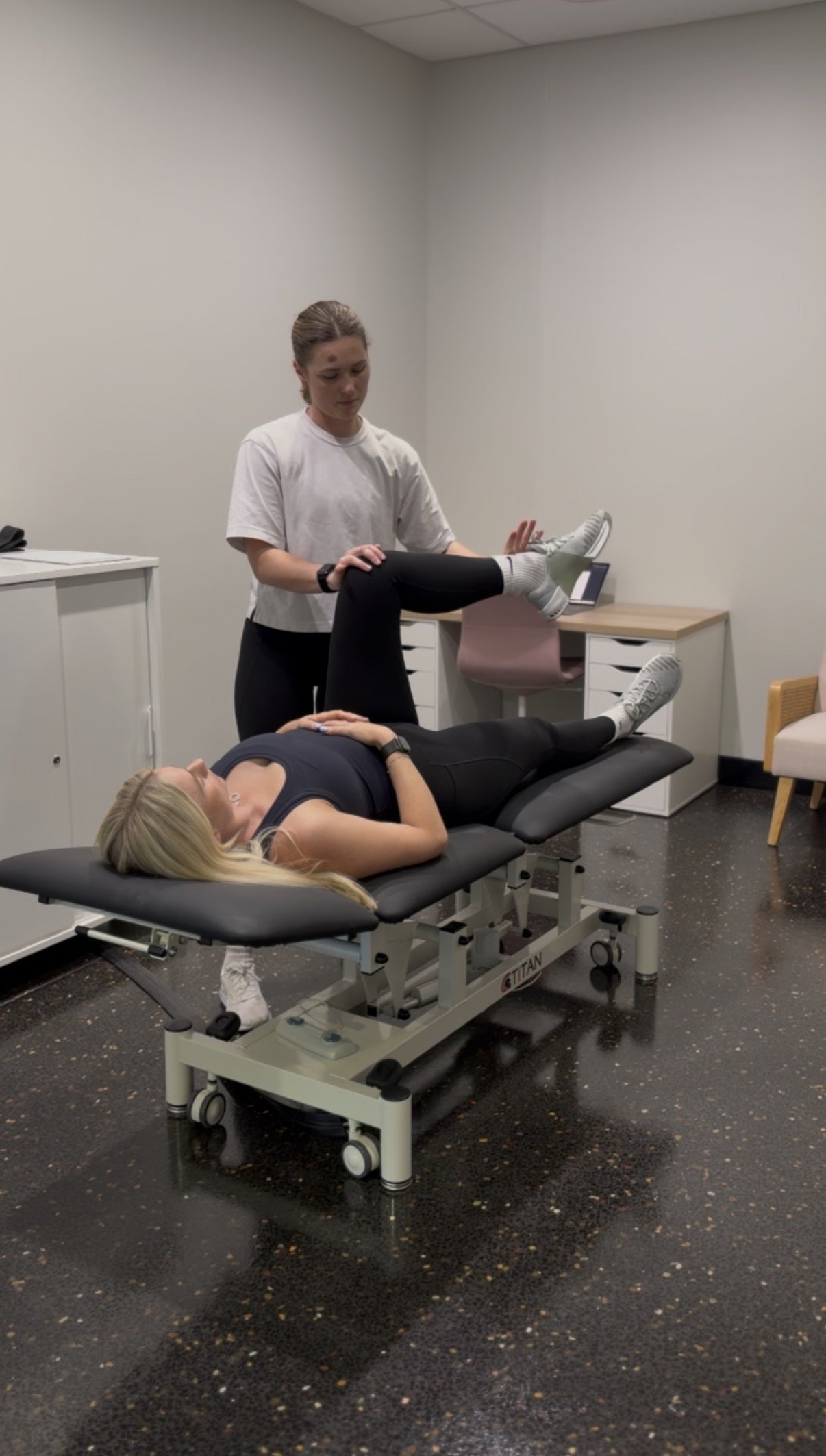
We assess your symptoms, movement and relevant contributing factors to help build a plan around you and your goals.
Treatment & Rehabilitation
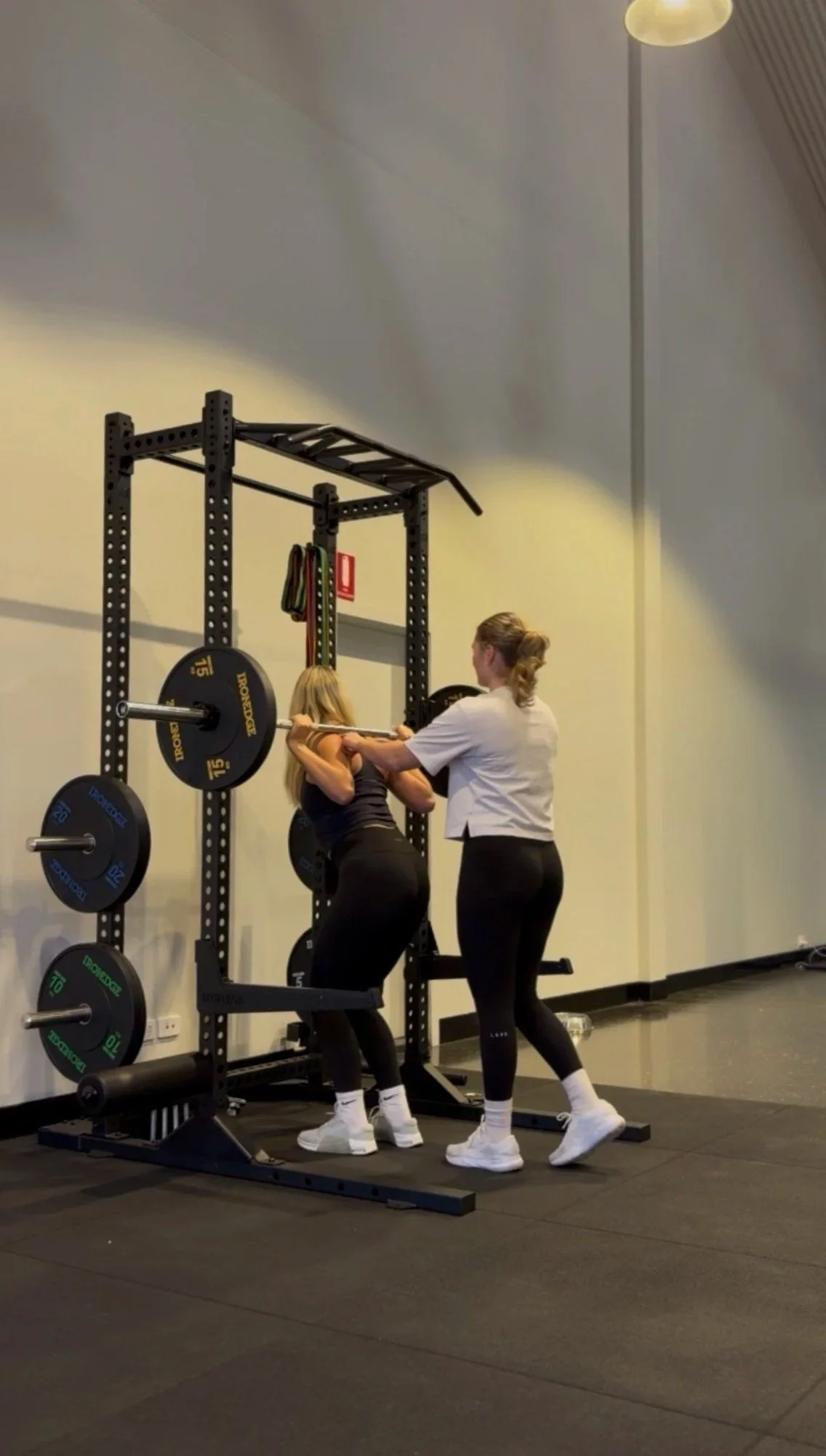
Care may include chiropractic treatment, soft tissue techniques, exercise rehabilitation and advice to help you keep moving.
Getting Back to What Matters
Whether that’s work, training or everyday life, we can gradually build movement, strength and confidence towards getting you back to what matters.
sound familiar?
-
A stiff or achy back doesn’t always mean something is wrong or that you need to avoid movement.
Sometimes it’s more noticeable after sitting for long periods, a change in activity, a harder week of training, poor sleep or simply doing more than you’re used to. How it feels can also change from day to day.
Rather than searching for the perfect stretch or trying to “fix” one specific area, it can be helpful to start with movement that feels comfortable and familiar to you.
That might mean going for a walk, getting up from your desk more regularly, continuing with your usual training at a manageable level, or simply changing positions throughout the day.
There doesn’t necessarily need to be a complicated solution. Sometimes moving a little more, giving it some time and seeing how things respond is a reasonable place to start.
If the stiffness or ache isn’t settling, keeps returning or starts getting in the way of the things you want to do, it may be worth looking a little more closely at what’s going on.
-
When back pain comes on suddenly, working within what you can tolerate can be beneficial in the early stages.
When pain comes on suddenly, it can make movement feel more difficult or threatening than usual. Starting with activities that feel familiar and manageable can be a useful way to keep moving while things settle.
That might be walking, swimming or cycling — but it doesn’t have to be. Think about the activities you already do regularly and are familiar with.
This usually isn’t the time to suddenly become a yogi if you’ve never done yoga, or spend an hour on a bike if you haven’t ridden one in years.
The goal isn’t to find the perfect activity. It’s to find something familiar and tolerable that allows you to keep moving without unnecessarily aggravating things.
Sometimes, giving it a little time and seeing how things respond is a reasonable first step. It gives us a chance to see how your pain changes over time. Does it start to settle? Does movement become easier? Does anything noticeably change? That information can help guide what, if anything, needs to happen next.
-
When back pain keeps coming back, it can be worth looking beyond what helps in the short term.
This is often where the bigger picture becomes more important than looking at individual factors in isolation. Physical demands and things like load, strength and movement are certainly part of that picture, but they’re not the whole story.
Sleep, nutrition, stress, recovery and how you’re coping can all influence how you feel and how well you’re able to manage the demands of everyday life, work or training.
The aim isn’t necessarily to find one thing that’s causing your back pain. Instead, it’s about understanding the different factors that may be contributing and identifying where there are practical opportunities to make things more manageable.
-
Rest isn’t always the answer, particularly when you have training or performance goals. Understanding what might be a manageable level of discomfort can help you pace and self-regulate your training while dealing with back pain.
If you’re newer to training, or haven’t had much experience managing pain or injury while training, it can be difficult to know what’s okay and what isn’t. How much is too much? When should I stop? Do I need to change the exercise, or can I keep going?
We can’t always predict how you’ll respond during a training session. Another useful piece of information is what happens over the following 24–48 hours.
Did your usual pain and symptoms:
Improve? Stay about the same? Or noticeably worsen?
Looking at how you respond both during and after training can help guide decisions around load, volume, exercise selection and when it might be appropriate to progress or pull things back.
The goal isn’t necessarily to train completely pain-free. It’s to develop a better understanding of what you can tolerate and how your body responds.
WE KNOW IT CAN SOMETIMES BE CONFUSINg TO KNOW WHO TO SEE
IT’S IMPORTANT TO US THAT YOU GET THE RIGHT CARE, WHEN YOU NEED IT
Consider seeing a chiropractor, physiotherapist or other musculoskeletal health professional if:
Your pain isn’t settling or interferes with work, sleep, exercise or day-to-day activities.
Your back pain keeps coming back.
You’re avoiding movements or activities because you’re worried about making things worse.
You have pain travelling into the buttock or leg, or symptoms such as pins and needles.
You’re unsure what you should be doing, or would like help getting back to training, work or normal activity.
Consider seeing your GP or another medical practitioner promptly if:
Your symptoms are progressively worsening rather than improving.
You have significant or worsening weakness, numbness or changes in sensation.
Your back pain follows a significant fall, accident or injury.
You’re feeling generally unwell alongside the back pain, particularly with fever or unexplained weight loss.
You have a relevant medical history, such as osteoporosis, cancer or prolonged corticosteroid use.
Seek urgent medical attention if you develop:
New difficulty controlling your bladder or bowel.
Numbness around the groin, genitals or inner thighs (“saddle” area).
Severe or rapidly progressing weakness or loss of feeling in one or both legs.
If you’re unsure where your symptoms fit, you don’t need to work it out alone. We can assess whether your back pain is appropriate for us to manage and, where needed, recommend further medical assessment or referral.
READY WHEN YOU ARE.
Take the next step towards moving better and getting back to what you enjoy.
Have a question before you book?